


The Debate That Divides Brewers
In beer halls around the world, this question sparks passionate debates: IPA or Pale Ale? Two sister styles, both hoppy, both delicious, but profoundly different. Some swear eternal loyalty to the aromatic explosion of an IPA. Others champion the perfect balance of a Pale Ale.
This isn't an article to declare an absolute winner (spoiler alert: there isn't one). It's a guide to understanding the differences, appreciating the similarities, and above all, discovering which one best suits your palate, your mood, and your beer style.
Get ready for the most comprehensive IPA vs Pale Ale analysis you'll find in Spanish. By the end, you'll know exactly which one to order on your next visit to the bar.
History: Two Paths, One Common Origin
Pale Ale: The Pioneer
Pale Ale originated in England in the 18th century. Its name comes from its paler color compared to the dark beers of the time. It used lighter malts and English hops, resulting in a balanced, refreshing, and characterful beer.
Original characteristics: Moderate bitterness, present malts, floral and earthy hops, perfect balance.
The IPA: The Necessary Evolution
India Pale Ale (IPA) emerged as a fortified version of Pale Ale. Legend has it that British brewers added more hops and alcohol to help the beer survive the long sea voyage to colonial India.
Result: A hoppier, more bitter, more alcoholic and more aromatic beer than its predecessor.
The American Revolution
Both styles were reinvented by the American craft beer revolution. American brewers took these British styles and transformed them with American hops (Cascade, Centennial, Citra, Mosaic), creating more intense, citrusy, and tropical versions.
Result: The American Pale Ale and the American IPA that we know today.
Key Differences: IPA vs Pale Ale
1. Bitterness (IBUs)
Pale Ale: 30-50 IBUs - Moderate bitterness, present but not dominant
IPA: 40-70+ IBUs - Pronounced bitterness, the main feature of the profile
In practice: A Pale Ale lets you keep talking. An IPA makes you stop and pay attention.
2. Alcohol (ABV)
Pale Ale: 4.5-6% ABV - Moderate, drinkable over long periods
IPA: 5.5-7.5% ABV (up to 10%+ in Double IPAs) - Stronger, more presence
In practice: You can drink 3-4 Pale Ales in an afternoon. With IPAs, 2-3 is the sensible limit.
3. Hop Profile
Pale Ale: Hops are present but balanced with the malt. Floral, soft citrus, and earthy aromas.
IPA: Hop-dominant. Aromatic explosion of citrus, tropical, pine, and resin.
In practice: Pale Ale is a polite conversation. IPA is a rock concert.
4. Malt-Hops Balance
Pale Ale: 50/50 balance. The malt provides body, light caramel, and toasty bread notes.
IPA: Hops 70/30. The malt is the support, the hops are the star.
In practice: Pale Ale is diplomacy. IPA is a declaration of intent.
5. Drinkability
Pale Ale: Highly drinkable. Refreshing, easy to drink, does not tire the palate.
IPA: Moderately drinkable. Intense, requires pauses, saturates the palate.
In practice: Pale Ale for the whole afternoon. IPA for specific moments.
Quick Comparison Table
Characteristic | Pale Ale | IPA
IBUs: 30-50 | 40-70+
ABV: 4.5-6% | 5.5-7.5%+
Color: Amber Gold | Dark Amber Gold
Bitterness: Moderate | Pronounced
Aromas: Balanced | Explosive
Malta: Present | Support
Hops: Shared Star | Absolute Star
Drinkability: High | Moderate
Long sessions: Perfect | Limited
Average price: €3-5 | €4-7
Variants: The Full Spectrum
Pale Ale Family
English Pale Ale: The original. English hops, classic balance (4.5-5.5%)
American Pale Ale: American hops, more citrusy (5-6%)
Belgian Pale Ale: Belgian yeast, spicy, fruity (4.5-6%)
Session Pale Ale: Light version, less alcohol (3.5-4.5%)
IPA Family
English IPA: The original. English hops, earthy bitterness (5-7%)
American IPA: American hops, citrus, tropical (6-7.5%)
West Coast IPA: Dry, bitter, crystalline, pine and citrus (6.5-7.5%)
New England IPA (NEIPA): Cloudy, juicy, tropical, less bitter (6-7.5%)
Session IPA: Less alcohol, maintains hoppy character (4-5%)
Double/Imperial IPA: More of everything: hops, alcohol, bitterness (8-10%+)
Black IPA: Dark malts + IPA hops (6-8%)
Belgian IPA: Belgian yeast + American hops (6-8%)
Which one to choose depending on the occasion?
Choose Pale Ale if...
✓ It's your first beer of the day: Refreshing without being overwhelming
✓ You'll drink several: It doesn't overwhelm the palate
✓ You eat while you drink: It doesn't compete with the food
✓ It's hot: More refreshing than an IPA
✓ You're with people who don't drink craft beer: More accessible
✓ You want something balanced: Malt and hops in harmony
✓ Tight budget: Generally more economical
Choose IPA if...
✓ You want an intense experience: Explosion of flavor
✓ You love hops: They are the absolute star
✓ You're looking for complexity: Layers of aromas and flavors
✓ You eat spicy or fatty food: The bitterness cleanses the palate
✓ It's your only beer: One is enough of an experience
✓ Want to impress? Show off your beer knowledge
✓ Contemplative moment: It deserves full attention
Pairing: How to Pair Them
Pale Ale Pairs With:
Classic hamburgers: Perfect balance
Roast chicken: It doesn't compete, it complements
Salads with vinaigrette: Shared freshness
Semi-cured cheeses: Harmony of flavors
Fish and chips: A British classic
Margherita pizza: Simplicity that works
IPA Pairs With:
Spicy food: Curry, tacos, Thai - the bitterness balances
Blue cheeses: Shared intensity
BBQ Ribs: Cut the fat
Smoked salmon: Perfect contrast
Ceviche: Acidity and bitterness complement each other
Dark chocolate: Bitter on bitterness works
The Verdict: Which is Better?
Win the Pale Ale If You Value...
Balance: Malt and hops in perfect harmony
Drinkability: You can enjoy several without getting overwhelmed.
Versatility: Works in almost any situation
Accessibility: Perfect for getting started in crafting
Price: Generally more economical
Refreshing: Ideal for long sessions
Win the IPA If You Value...
Intensity: Full sensory experience
Complexity: Layers of aromas and flavors
Character: Strong and defined personality
Variety: Endless variations to explore
Impact: A memorable beer
Hop passion: For self-proclaimed hop-heads
The Inconvenient Truth: You Need Both
Here's the secret purists don't want to admit: you don't have to choose . The best beer lovers have room in their hearts (and refrigerators) for both.
The perfect strategy:
Afternoon on the terrace: Start with Pale Ale (refreshing, drinkable)
Special dinner: Switch to IPA (intensity, pairing)
Relaxed weekend: Pale Ale all day
Friday night: IPA to celebrate
Tasting with friends: Both for comparison
How to Identify Them at the Bar
Visual Clues
Pale Ale: Bright golden color, creamy white, crystal clear foam
IPA: Darker gold to amber, persistent foam, may be cloudy (NEIPA)
Olfactory Clues
Pale Ale: Balanced aromas, soft citrus, toast, flowers
IPA: Aromatic explosion, intense citrus, tropical, pine, resin
First Sip
Pale Ale: Smooth entry, moderate bitterness, clean finish
IPA: Immediate impact, pronounced bitterness, persistent finish
Common Mistakes When Choosing
Mistake 1: Ordering an IPA when you want to drink several - You'll overwhelm your palate
Mistake 2: Ordering Pale Ale when you're looking for intensity - You'll be disappointed
Mistake 3: Judging one by the other - They are different styles with different objectives
Mistake 4: Thinking that IPA is "better" because it is more intense - Intensity ≠ Quality
Mistake 5: Ignoring the variations - There's a world beyond American IPA
The Identity Factor: What Your Choice Says
Team Pale Ale
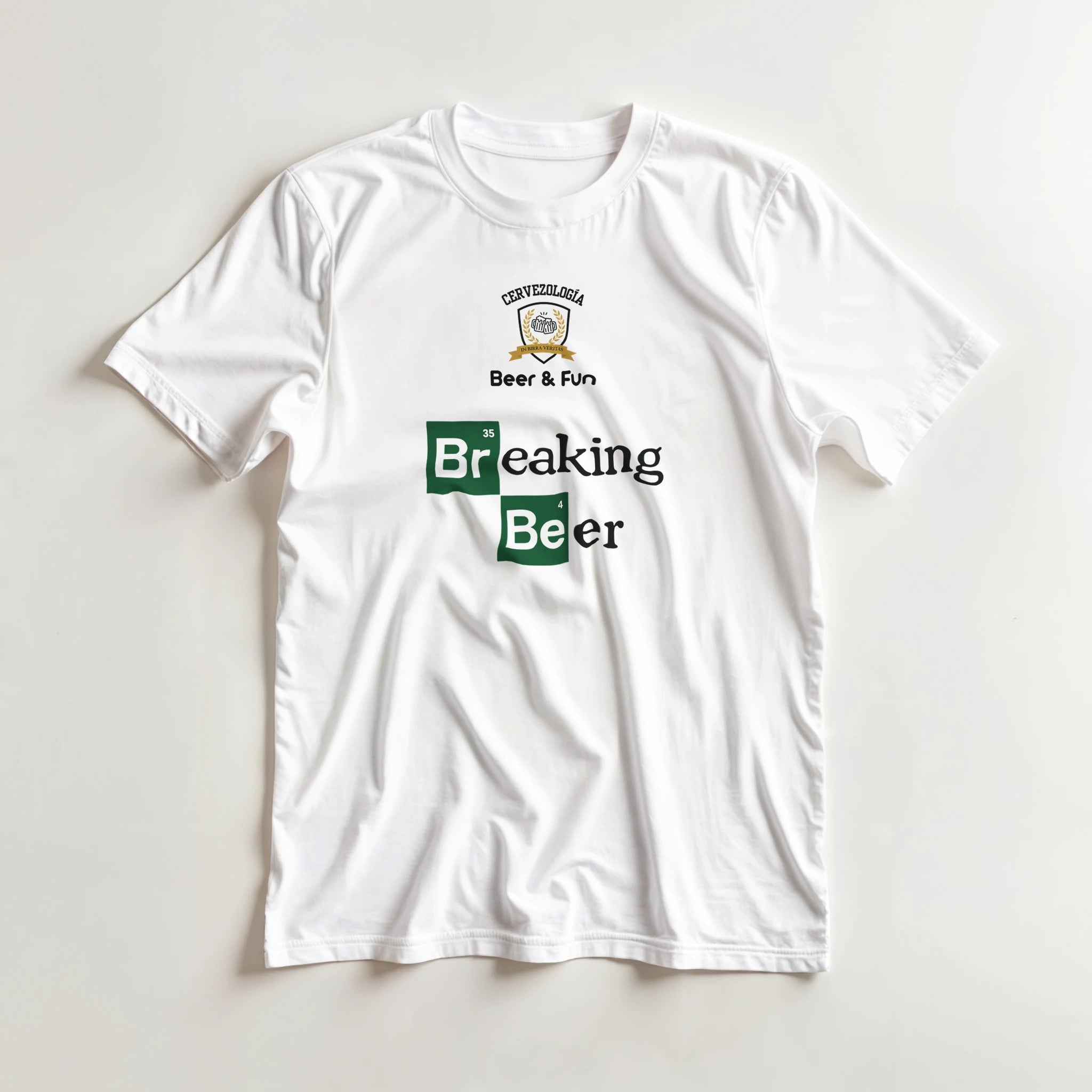
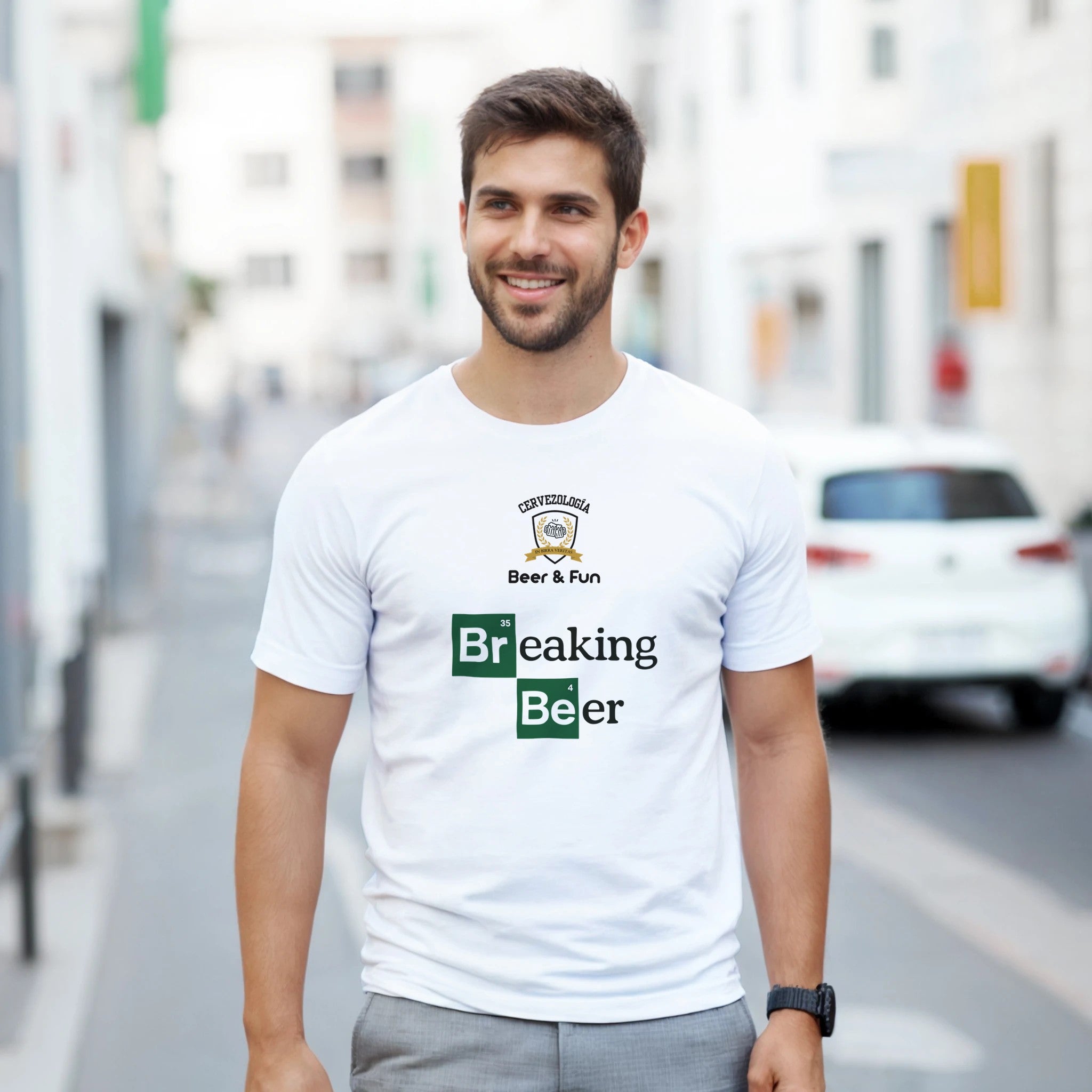
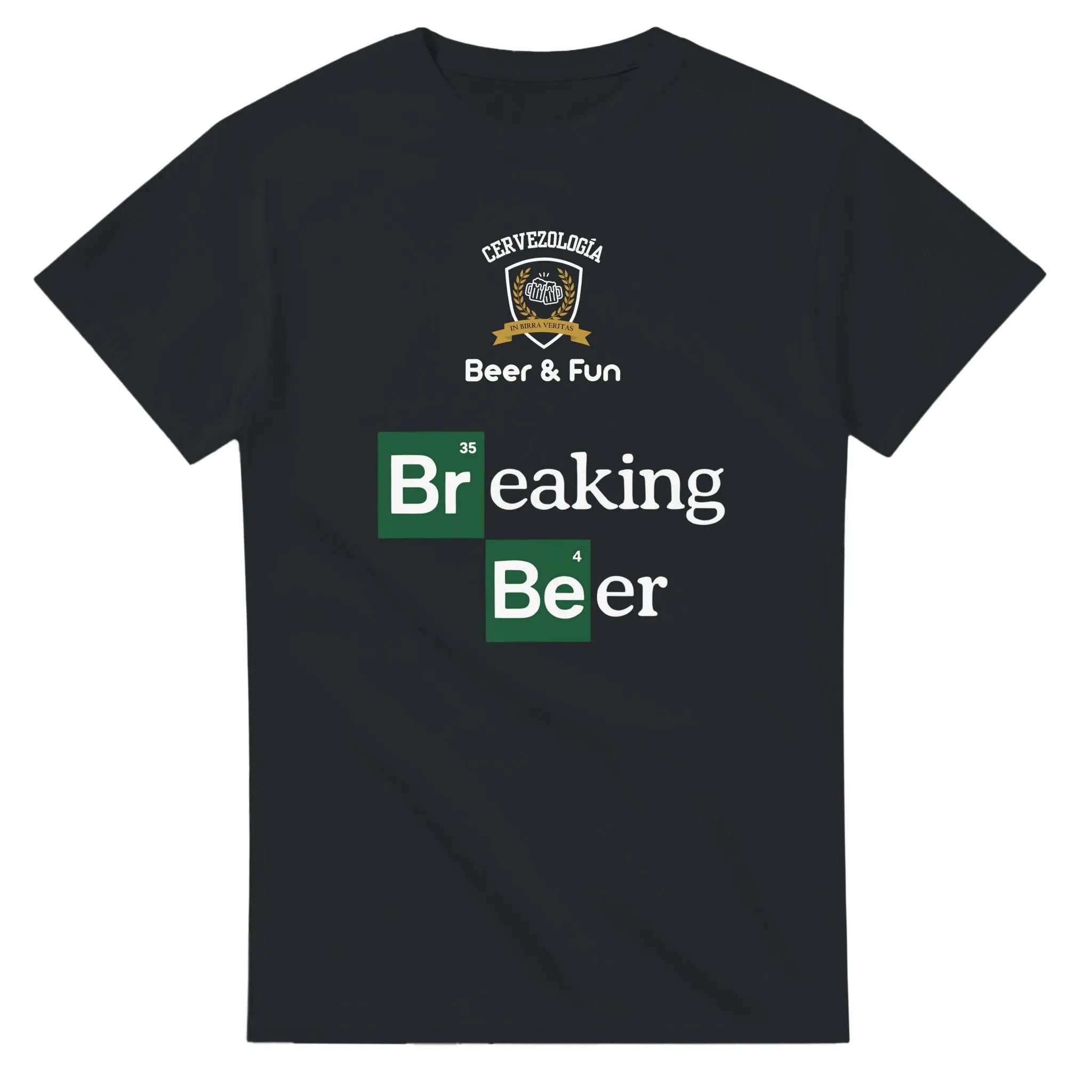
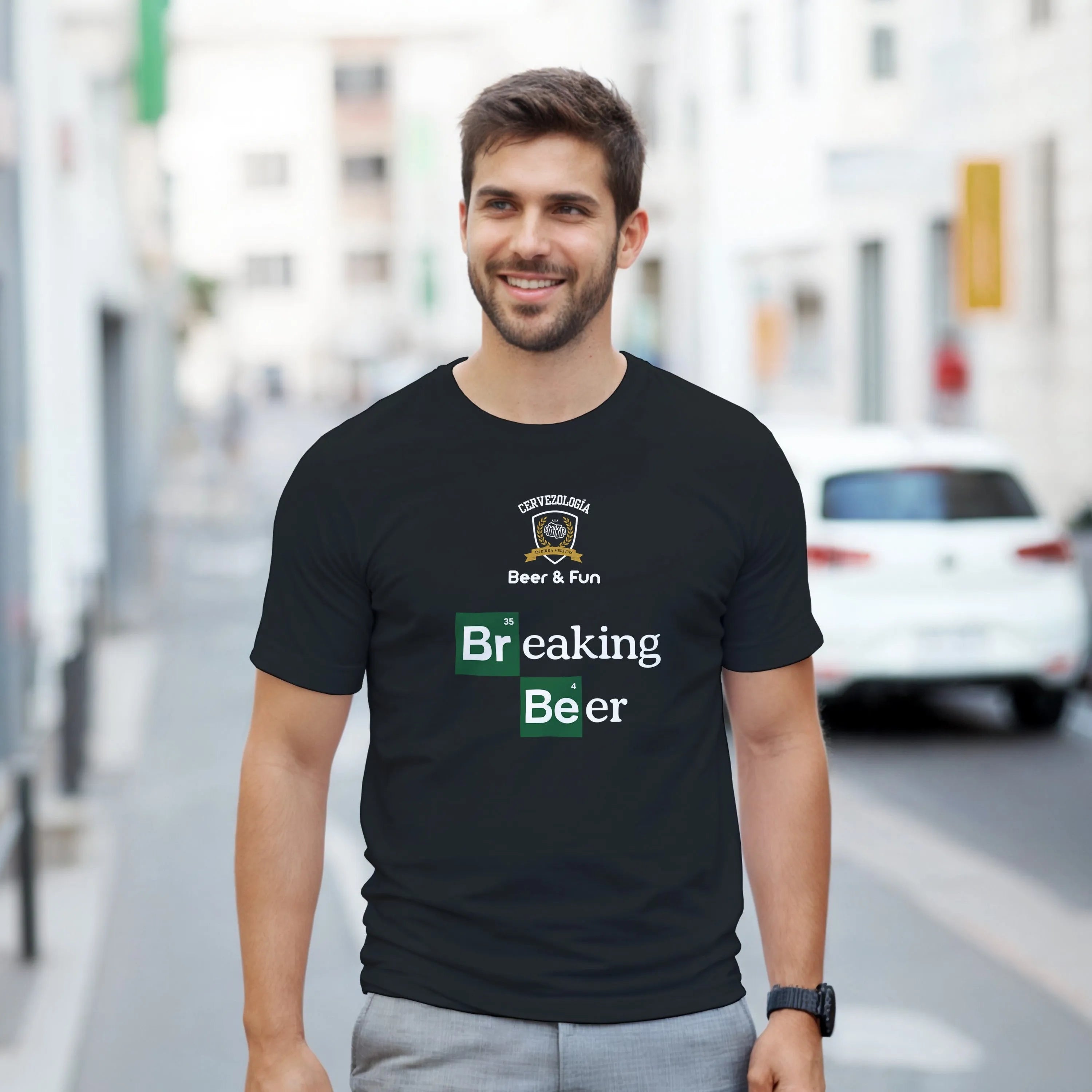
You're the diplomat of the brewery group. You appreciate balance, subtlety, and drinkability. You don't need to shout to be heard. Your beer t-shirt probably has a stylish design, perhaps the Cervezología™ logo with "In Birra Veritas" – a philosophy over spectacle.
Team IPA
You're the passionate one. You crave intense experiences, you're not afraid of bitterness, and you seek complexity in every sip. Your beer t-shirt is probably a statement: "Keep Calm and Drink IPA" or something that unapologetically celebrates hops.
Conclusion: The Answer You Weren't Expecting
IPA or Pale Ale? Which is better?
The correct answer is: it depends .
It depends on the moment, the weather, your mood, what you're going to eat, how many you're going to drink, who you're with, and what you're looking for in that specific beer at that specific moment.
A well-made Pale Ale is just as perfect as a well-made IPA. They're different tools for different jobs. Both deserve respect, appreciation, and a place in your beer repertoire.
The real question isn't "which one is better?" but "which one do I need right now?"
And the beauty of being a beer connoisseur in 2025 is that you have access to both, in incredible versions, made by passionate brewers who have mastered both styles.
So the next time someone asks you, "IPA or Pale Ale?", smile and reply, "Yes."
Because the best beer lovers don't choose sides. They celebrate diversity, appreciate differences, and enjoy both as the moment calls for.
And when you go out to celebrate your love for both styles, do it in style. A beer t-shirt that declares your passion for craft beer, whether it's the balance of a Pale Ale or the intensity of an IPA, is the perfect way to show the world that you understand life is too short to limit yourself to just one style.
Explore our collection of beer t-shirts and find the one that represents your hoppy philosophy. Because in the end, what matters isn't what beer you drink, but that you enjoy it with passion.
Cheers, beer connoisseur! May your fridge always have both options.
















0 comments